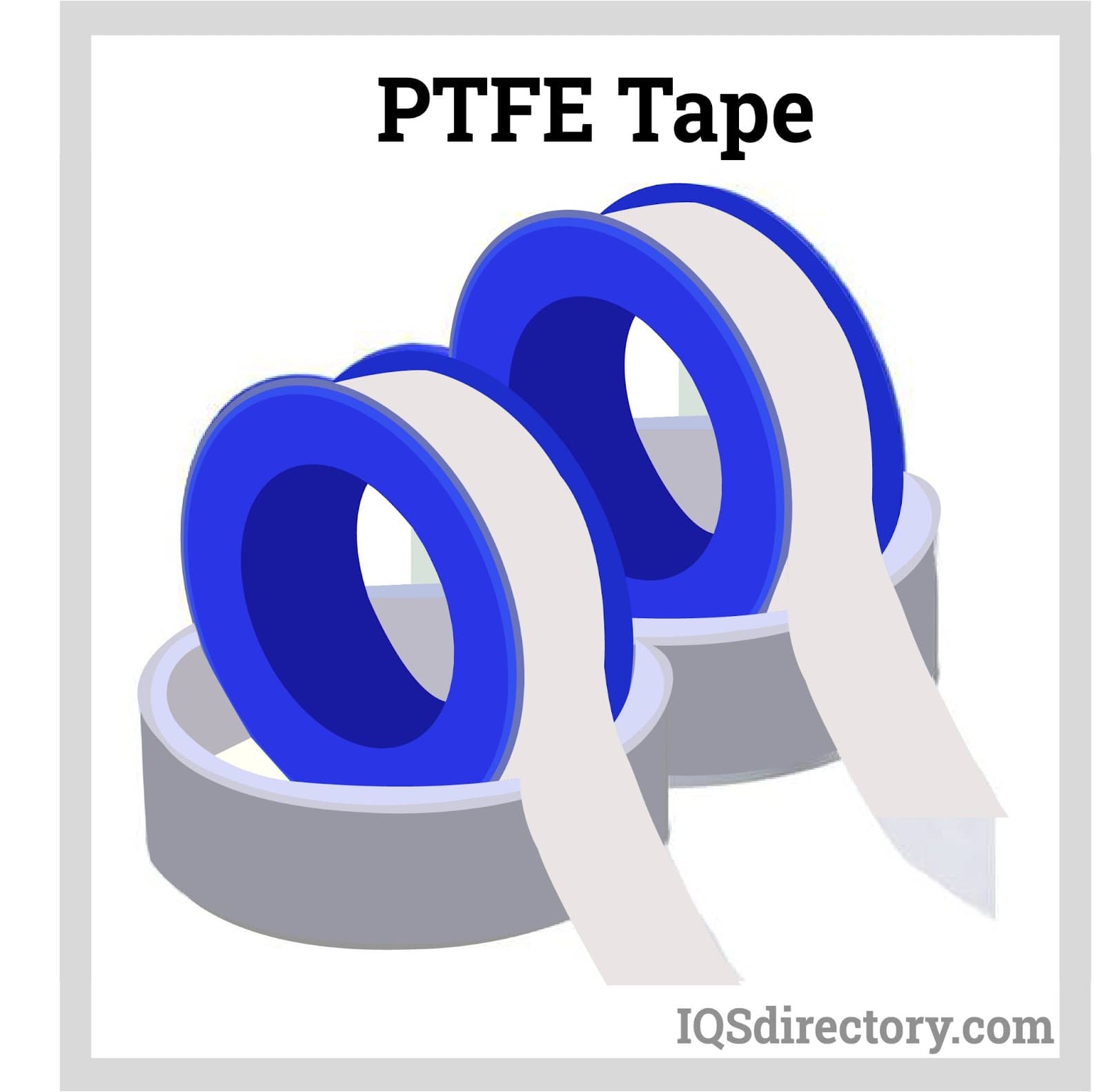
Teflon tape actually differs from other forms of tape in that it really is not all that adhesive or sticky, in fact it can often be said to feel like a piece of cloth. This product is typically used within plumbing applications in order to prevent leaks or to fill the gaps in the threading on a pipe. Read More…
Carolina Tape & Supply Co. is a distributor & custom tapes converter offering 100% satisfaction. As one of the leading tape suppliers in the nation, Carolina offers an array of quality products & services to your company.
CS Hyde is a leading distributor and converter that supplies a wide variety of high performance tapes with pressure sensitive adhesive. Our tape is available in materials such as Teflon™ Fluoroplastic, Kapton®, UHMW, Silicone, and many more. Since our fouding in 1996, our team at CS Hyde has continued to be committed to our customers and building long-term relationships by providing top...
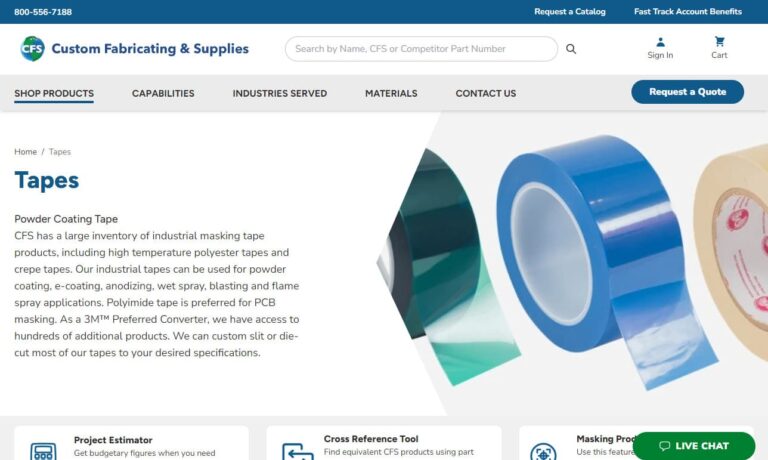
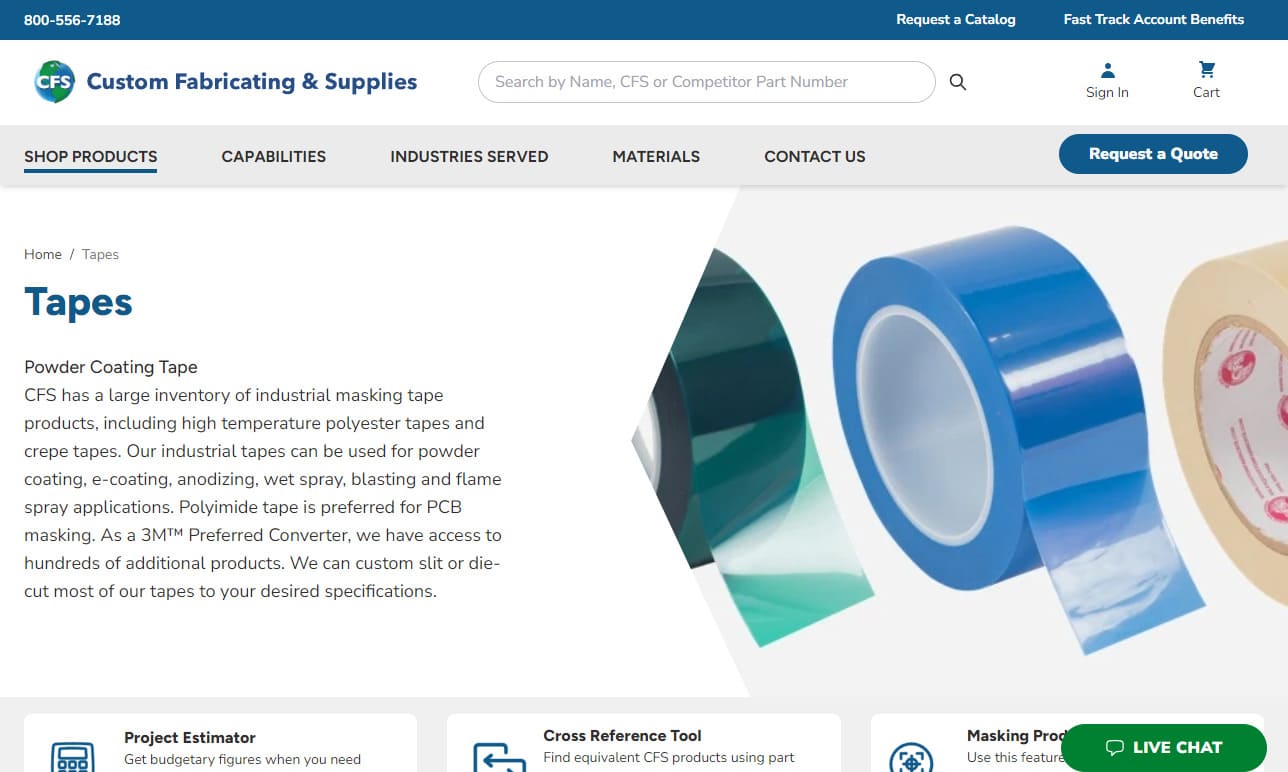
CFS produces industrial masking products and flexible, converted materials such as gaskets, spacers, thermal pads, and EMI shielding for finishers, OEMs, and related suppliers. Please visit customfabricate.com to request information or to browse our selection of products online.
As a tape supplier our products serve many diverse industries such as aerospace, artistry, graphic arts, food and drink as well as many others! For over forty years we have been providing the highest quality tape products with the widest selection. Just a few examples of the products we offer are 3M masking, Teflon, gaffers tape as well as many others. To learn more about what we may be able to...

Budnick Converting is a family-owned custom converter and distributor of adhesive tapes, foams, and other flexible materials. We have over 70 years of experience in the tape and converting industry and offer adhesive tapes, foams, films, foils, and other specialty materials from every major manufacturer. Our primary converting services include slitting, die-cutting, printing, spooling,...

At Penmar Industries, we take pride in being trusted tape suppliers dedicated to providing adhesive solutions that meet the demands of modern industry. We supply an extensive range of pressure-sensitive tapes, including packaging, masking, double-coated, and specialty tapes, designed to deliver reliable performance in even the most challenging applications.



More Teflon Tape Manufacturers
Teflon Tape: The Ultimate Guide to PTFE Thread Seal Tape for Plumbing and Industrial Applications
Are you searching for the best way to prevent leaks and ensure reliable seals in your plumbing or industrial systems? Teflon tape, also known as PTFE tape or plumber’s tape, is a top choice for professionals and DIY enthusiasts alike. But how do you select the right Teflon tape for your unique application? What are the best practices for installation, and what benefits can you expect? Read on to discover expert insights, use cases, installation tips, and decision-making criteria to help you choose and apply Teflon tape with confidence.
What is Teflon Tape? Understanding PTFE Thread Seal Tape
Teflon tape is a thin, white, non-adhesive tape made from polytetrafluoroethylene (PTFE), a synthetic fluoropolymer known for its exceptional chemical resistance and low friction properties. Often called PTFE tape, plumber’s tape, or thread seal tape, this essential plumbing supply is designed to create a watertight seal on threaded pipe joints and fittings. It is commonly used in residential, commercial, and industrial plumbing, as well as in gas, HVAC, and pneumatic systems.
Key attributes of Teflon tape/PTFE tape include:
- Excellent chemical inertness, making it suitable for a wide range of fluids and gases
- Temperature resistance, typically withstanding from -450°F (-268°C) up to 500°F (260°C)
- Non-stick and low-friction surface, preventing threads from galling and seizing
- Non-hardening and easy to remove, enabling future disassembly of joints
Common Applications and Use Cases for Teflon Tape
Teflon tape is an industry standard for sealing threaded connections in various systems, including:
- Residential plumbing: Sealing water supply lines, shower heads, faucets, and pipe fittings
- Industrial piping: Used in chemical, manufacturing, and process plants for leak prevention
- Gas lines: Specialized yellow PTFE tape for natural gas and propane connections
- Pneumatic systems: Sealing air compressor fittings, valves, and hose connections
- HVAC systems: Ensuring tight seals on refrigerant and coolant lines
- Automotive and marine applications: Useful for fuel lines, hydraulics, and engine fittings
Wondering where to use Teflon tape and how it compares to other sealants? Explore our Teflon Tape vs. Pipe Dope Comparison below.
How to Choose the Right Type of Teflon Tape for Your Application
Selecting the proper Teflon tape for your project ensures long-lasting, leak-free performance. Not all PTFE tapes are created equal—differences in thickness, density, color, and chemical formulation can impact suitability for specific applications.
- Standard (white) PTFE tape: Ideal for most water and air lines; meets plumbing code requirements for potable water systems
- High-density PTFE tape: Thicker and more robust, recommended for larger diameter pipes and industrial applications
- Gas-rated (yellow) PTFE tape: Specifically formulated for natural gas, propane, and other fuel gases
- Pink PTFE tape: Designed for potable water lines for easy identification and compliance
- Green PTFE tape: Intended for oxygen lines and medical gases; oil-free and contaminant-free
- Silver or gray PTFE tape: Contains nickel or other additives for stainless steel and corrosion-prone fittings
Not sure which Teflon tape to use? Contact a trusted Teflon tape manufacturer or supplier to discuss your application. Experts can recommend the ideal product based on pipe material, fluid type, pressure rating, and environmental conditions.
How to Apply Teflon Tape: Step-by-Step Installation Guide
Proper installation is key to maximizing the sealing performance of Teflon tape. Follow these steps for a secure, professional-grade seal:
- Clean the threads: Remove dirt, oil, and debris from male pipe threads to ensure maximum tape adhesion.
- Wrap the tape: Hold the PTFE tape taut and wrap it clockwise (in the direction of thread engagement) around the male threads. Overlap each layer by about half the tape’s width to ensure complete coverage.
- Use the right number of wraps: Apply 2-4 layers for standard applications, or up to 6 layers for larger threads or high-pressure systems.
- Press the tape into the threads: Smooth the tape into the grooves with your fingers for a snug fit.
- Assemble the joint: Tighten the pipe or fitting by hand, then use a wrench if necessary. Avoid over-tightening, which can damage threads or compromise the seal.
Tip: Always wrap Teflon tape in the same direction as you will screw the pipe or fitting to prevent the tape from unraveling during assembly. If you need to disassemble and reassemble the joint, remove the old tape and reapply a fresh layer to maintain a reliable seal.
Benefits of Teflon Tape Over Other Thread Sealants
Teflon tape offers a range of advantages that make it a preferred choice for sealing threaded connections:
- Leak prevention: Fills gaps and imperfections in thread interfaces, ensuring a watertight and airtight seal
- Chemical resistance: Compatible with most chemicals, acids, bases, solvents, and fuels
- Temperature tolerance: Functions reliably across wide temperature ranges
- Easy installation: Requires no curing time, mixing, or special tools
- Non-hardening: Remains flexible, allowing easy disassembly for repair or maintenance
- Cost-effective: Inexpensive and widely available at hardware stores and online suppliers
- Clean application: Leaves no mess or sticky residue compared to liquid sealants
Curious about the differences between Teflon tape and other pipe thread sealants? Learn how Teflon tape compares to pipe dope, liquid thread sealants, and anaerobic compounds.
Common Mistakes to Avoid When Using Teflon Tape
While Teflon tape is simple to use, improper application can lead to leaks, system failures, or even equipment damage. Here are some common issues to watch out for:
- Using the wrong type of tape: Gas-rated PTFE tape is essential for fuel lines, while standard tape is suited for water and air systems.
- Insufficient or excessive wrapping: Too few layers may not seal; too many can make assembly difficult or cause tape to bunch up.
- Wrapping in the wrong direction: Always wrap in the same direction as the fitting’s threads to prevent tape unraveling.
- Applying tape to female threads: Teflon tape is designed for male (external) threads only.
- Reusing old tape: Always remove old PTFE tape before reapplying a new layer for best results.
Teflon Tape vs. Pipe Dope: Which Thread Sealant Is Best?
Should you use Teflon tape or pipe dope (thread sealant paste) for your plumbing or industrial project? Each option has unique advantages and ideal use cases.
| Feature | Teflon Tape | Pipe Dope (Thread Sealant) |
|---|---|---|
| Application | Dry, non-messy tape; quick and easy to apply; no curing time | Pasty, brush-on compound; may require curing or drying |
| Chemical Compatibility | Suitable for most chemicals and gases; check product specs | Available in many formulations for specific chemicals or gases |
| Temperature Range | -450°F to 500°F (-268°C to 260°C) | Varies by formula, often similar or wider range |
| Removability | Easy to disassemble; tape peels off cleanly | Can harden over time; sometimes difficult to remove |
| Best Use Cases | General plumbing, air lines, gas lines (with rated tape) | Industrial, high-pressure, high-vibration, or specialty chemical systems |
Still have questions? Ask an expert:
- Is Teflon tape safe for drinking water lines?
- When should I use pipe dope instead of Teflon tape?
- Which thread sealant is best for stainless steel or corrosive environments?
Industry-Specific Considerations and Compliance
Certain industries, such as food and beverage, medical, and petrochemical, may have specific regulatory requirements or compliance standards for thread sealants. It is crucial to select Teflon tape or PTFE thread sealant that meets NSF/ANSI, FDA, or other relevant certifications. Always verify product datasheets and certifications with your supplier before use in sensitive or regulated environments.
Where to Buy Teflon Tape: Sourcing and Supplier Selection
Looking for high-quality Teflon tape at competitive prices? Many reputable suppliers and manufacturers offer a wide range of PTFE tapes suited for plumbing, gas, industrial, and specialty applications. When sourcing Teflon tape, consider the following factors:
- Product certifications and compliance with industry standards
- Type (standard, high-density, gas-rated, specialty colors)
- Availability in various sizes, widths, and thicknesses
- Reputation and technical support of the supplier
- Bulk pricing and shipping options
For recommendations on the best Teflon tape brands, see our frequently asked questions or contact our technical team.
Buyer’s Checklist: How to Evaluate and Select the Best Teflon Tape
- What is the intended application (water, gas, chemical, food-grade, etc.)?
- What are the temperature and pressure requirements?
- Will the tape be exposed to aggressive chemicals or corrosive environments?
- Does the tape meet necessary certifications (e.g., NSF, UL, FDA)?
- Is high-density or specialty tape required for large diameter or stainless steel pipes?
- What is the preferred width, thickness, and length of the tape roll?
- Is the supplier reputable and able to provide technical support?
- What is the total cost, including shipping, for your required quantity?
Need help deciding? Request a sample, datasheet, or technical consultation from your supplier to ensure the tape meets your system’s requirements.
Frequently Asked Questions About Teflon Tape
- What is the difference between Teflon tape and PTFE tape? They are the same product; "Teflon" is a brand name, while PTFE is the chemical name (polytetrafluoroethylene).
- Can Teflon tape be used on gas lines? Yes, but only with yellow gas-rated PTFE tape formulated for fuel gases.
- Is Teflon tape safe for potable water? Most white or pink PTFE tapes are rated safe for drinking water lines. Check for NSF certification.
- How many wraps of Teflon tape should I use? For standard pipe threads, 2-4 wraps are common. Use more for larger or high-pressure fittings.
- Can I use Teflon tape on plastic pipe threads? Yes, but avoid over-tightening to prevent thread damage. Consider a thicker or high-density PTFE tape for added strength.
- Will Teflon tape work on compression fittings? No, PTFE tape is intended for tapered (NPT/BSPT) pipe threads, not compression or flare fittings.
- Can Teflon tape be used for high-temperature or cryogenic systems? PTFE tape is suitable for most temperature extremes; verify the tape’s rating for your application.
- Does Teflon tape expire? PTFE has a long shelf life and does not degrade under normal storage conditions.
Why Choose a Trusted Manufacturer or Supplier for Teflon Tape?
In order to get a product that will work with your application, or if you aren't quite sure if Teflon tape is the right product for your application, seek out a trusted and skilled manufacturer who has experience working and manufacturing Teflon tape. By explaining your application, they will be able to determine the best type of Teflon tape for your unique application.
Certified manufacturers and distributors provide documentation, technical support, and can recommend the optimal PTFE tape for plumbing, industrial, gas, or specialty applications. This ensures compliance, safety, and long-term reliability for your system.
How to Store, Handle, and Dispose of Teflon Tape
Proper storage and handling of Teflon tape are important for preserving its quality and performance:
- Store tape rolls in a cool, dry place away from direct sunlight and sources of contamination
- Avoid excessive bending or crushing of tape rolls
- Keep tape free from dust, oil, and chemicals prior to use
- Dispose of used or damaged tape in accordance with local waste regulations; PTFE is generally inert and non-toxic
Summary: Why Teflon Tape is Essential for Leak-Free and Reliable Connections
As you may already know, Teflon tape is a great product that serves its job well. It can prevent leaks from happening and stop leaks that have appeared within a system without having to disassemble everything and re-fabricate metal piping. Its versatility, chemical resistance, and ease of use make it indispensable for plumbers, contractors, facility managers, and industrial maintenance teams worldwide.
Teflon tape should not be confused with metal strapping which is another popular form of plumber’s tape yet serves an entirely different purpose and the two are not interchangeable. Always select the proper PTFE thread seal tape for your needs, and follow best practices for storage, installation, and maintenance.
Explore More or Request a Quote
Ready to choose the best Teflon tape for your application? Contact our PTFE tape experts for a quote, technical datasheet, or product sample. Or, explore our FAQ for more answers to common questions about Teflon and PTFE tape.
Related Searches: Teflon tape for plumbing, PTFE thread sealant, high-density PTFE tape, gas-rated thread seal tape, NSF-certified Teflon tape, PTFE tape for industrial applications, best thread sealant for stainless steel, Teflon tape vs. pipe dope, how to use plumber's tape, where to buy Teflon tape online.